Horse panel orders often focus on smooth contact points, suitable height and clear openings for paddocks or round pens. Tubular cattle panel orders place particular emphasis on working duty, frame, gates and connections. Both require a complete specification matched to the animals and the layout.
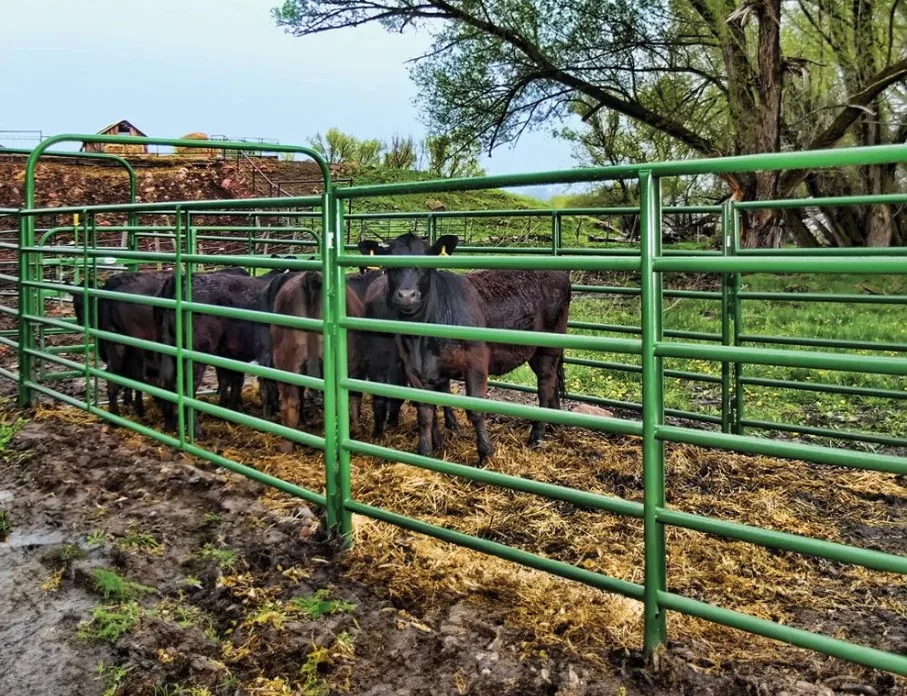
Identify The Panel Type First
This comparison covers Pangdi’s welded steel tube horse panels and cattle corral panels. The cattle range is tubular fencing, rather than welded wire mesh panels. Include a drawing or reference photo with your inquiry so the product type is clear.
Horse panels and cattle panels can look similar in a photograph. A product name does not establish the tube wall, rail openings, gate strength or suitability for a particular enclosure. Compare the specified construction and intended use alongside the price.
Compare The Application & Construction
| Decision | Horse Panel Order | Cattle Panel Order |
|---|---|---|
| Typical use | Paddocks, round pens, temporary lanes and equestrian facilities | Temporary pens, holding yards and livestock handling layouts |
| Specification focus | Smooth contacts, suitable height, rail openings and gate details | Working duty, frame construction, tube wall, reinforced gates and connections |
| Size references | 8, 10, 12 or 16 ft long; 4–6 ft common height range | 8, 10, 12 or 16 ft long; 5–6 ft common height range |
| Tube references | Round or oval; 32 × 1.4 mm and 42 × 1.3–1.6 mm examples | Round or square; 42 × 1.3–1.6 mm and other walls quoted by duty |
| Openings | Agree rail spacing, bottom clearance and hoof-contact details | Agree rail arrangement and dimensions for animal size and intended use |
| Gates & connections | Check latches, pins, feet and smooth animal-contact points | Check hinges, latches, feet and connections as part of the yard layout |
| Finish | Galvanized or powder coated, including green and custom colors | Galvanized or powder coated, including green and custom colors |
These dimensions and tube sizes are quotation references from the current ranges. They are not a load rating or a universal recommendation for every animal. Final construction and any required performance criteria should be agreed for the complete panel, gate and connection system.
Can The Same Panel Be Used For Both?
Some designs may serve both uses, but compatibility must follow the application. Tell Pangdi which animals will use the enclosure, their approximate size, the purpose of the yard and whether the panels need to join an existing system. Review rail and gate gaps as well as the frame.
A horse paddock, temporary cattle holding pen and handling area are different tasks. If you need one specification for several tasks, list each task in the RFQ. Do not assume that a thicker tube alone resolves every difference: connections, feet, gate openings and the overall layout also need to be considered.
For smaller animals, use the custom sheep, hog and goat panel range as the starting point. Agree animal size, opening density and bottom clearance rather than simply ordering a lower version of a horse or cattle panel.
Compare Quotations On The Same Basis
- Identify the product: panel-only, gate panel or complete corral set, with quantities for each.
- Fix the construction: outside dimensions, tube shape and wall thickness, rail count and measured clear openings.
- List the hardware: connector positions, pins, chains, feet, hinges and latches.
- Describe the finish: galvanizing route, powder coating if required, and color reference.
- Agree inspection and packing: drawing checkpoints, bundle arrangement, destination and loading plan.
For example, two quotes with the same outside dimensions may include different gates, feet or connector systems. Ask for these items to be listed so a price comparison includes the same components. The custom specification checklist helps organize the details.
Review The Details Before Production
Pangdi’s quality control process includes raw material, weld, dimension, coating and assembly checks. For horses, identify smooth contact surfaces and critical gaps. For cattle yards, define the agreed frame and gate specification and check how the connected parts fit.
Use the panel RFQ template to assemble the inquiry. Include the animal use, drawing, quantity and destination, then review the proposed finish and packing arrangement with the product specification.